


From Harvest to Shared Heritage: Umuganura Builds Cultural Bridges Between Rwanda and South Africa
More than 450 Rwandans gathered in Cape Town to celebrate a centuries-old tradition whose values of gratitude, unity and shared responsibility find familiar echoes in South Africa’s cultural heritage.
By Ian Nkera Ford– Communications Officer at Rwanda High Commission in South Africa
12 August 2026
More than 450 members of the Rwandan community gathered in Cape Town on Sunday, 9 August, for Umuganura, bringing together Rwandans and friends of Rwanda for an afternoon of culture, reflection and community.
Held under the theme “Umuganura, Isoko y’Ubumwe n’Ishingiro ryo Kwigira” — Umuganura, Source of Unity and Foundation for Self-Reliance, the celebration provided an opportunity to reflect on Rwanda’s progress, the values that have sustained it and the role of Rwandans living abroad in shaping the country’s continued development.
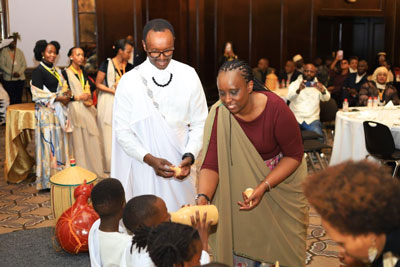
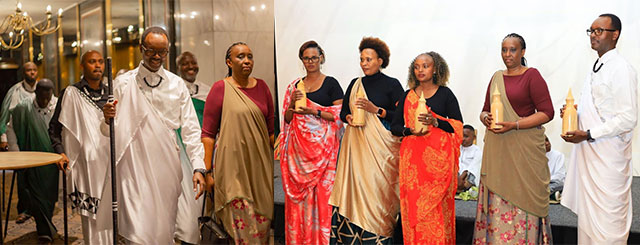
Cultural performances by Itorero Inkumburwa, the sharing of milk with children and the Kuganura ceremony brought Rwandan traditions to life, while presentations on the Rwandan Community Abroad (RCA) Youth Tour to Rwanda and the Rwanda Professionals Abroad (RPA) Medical Outreach highlighted the practical ways in which the community is supporting their country’s development aspirations.
Beyond the harvest
At the heart of Umuganura is the idea of giving gratitude for what has been achieved and sharing the fruits of collective effort. In contemporary Rwanda, that harvest extends well beyond agriculture.
In his address, H.E. Emmanuel Hategeka, Rwanda’s High Commissioner to South Africa, reflected on the country's progress across sectors including agriculture, tourism, manufacturing, construction, services and information technology. He noted that these achievements have been supported by unity, good governance, discipline, hard work and a shared national vision. But the celebration was also a reminder that progress brings responsibility for every Rwandan.
For Rwandans abroad, the Ambassador highlighted the importance of contributing to Rwanda through professional expertise, investment, remittances, knowledge and community engagement initiatives. He pointed to the RCA Youth Tour, which connected young Rwandans in South Africa with Rwanda, and the medical outreach by Rwandan Medical professionals, as examples of the contribution the diaspora can make beyond financial support.
These initiatives reflect an increasingly active relationship between Rwanda and Rwandans abroad which can encourage skills development, networks and experiences to contribute to national development.
Finding common ground through culture
The celebration also offered an opportunity to consider Umuganura within the broader cultural landscape of South Africa. The country has its own long-standing harvest traditions. Among the Zulu, for example, uMkhosi Wokweshwama marks the first harvest, while other communities observe their own ceremonies around the harvest season. Although these traditions have their own histories and practices, they share familiar ideas of gratitude, community, sharing and responsibility.
The common denominator between both countries’ traditions is the opportunity to preserve and celebrate their own heritage. That connection was showcased throughout the celebrations. Rwandan cultural performances brought together members of the Rwandan community and friends of Rwanda to celebrate the country's heritage and share in traditions that reflect the values of community, unity and belonging.
Passing the tradition to future generations
For many of those attending, particularly younger Rwandans, the celebration was also about maintaining a connection with a culture they may experience differently from previous generations. The participation of children in the milk-sharing ceremony was one of the day's highlights. Alongside the cultural performances and Kuganura, it provided a practical way for younger members of the community to encounter traditions that might otherwise remain something they hear about rather than experience. This matters for the Rwandan community. Cultural identity is sustained not only through formal teaching, but through the occasions when families and communities come together, practise traditions and give younger generations the opportunity to participate in them.
The responsibility that comes with belonging
The Ambassador's message returned repeatedly to the importance of unity and responsibility. For Rwandans living abroad, representing Rwanda positively and supporting one another are part of that responsibility. The proverb “Ibisangiye imizi bisangira no kuma”, meaning those who share the same roots also share a common destiny, captures the importance placed on solidarity within the community.
It is a message that gives Umuganura relevance beyond the celebration itself. The harvest is not simply something to reflect on. It becomes a measure of what has been achieved collectively and a compass of what is yet to be accomplished.
As the celebration drew to a close, that sense of looking forward remained central. The community had gathered to honour a tradition rooted in Rwanda's history, but also to consider how that tradition can continue to speak to Rwandans living far from home.
The answer lies partly in the simple values that Umuganura continues to bring together which are gratitude, sharing, unity within the community and a willingness to work towards the next harvest.
In Cape Town, those values found expression not only in the cultural performances and ceremonies, but in the gathering of a community that continues to find ways to remain connected to Rwanda while contributing to the society in which it lives.
Umuganura, Isoko y’Ubumwe n’Ishingiro ryo Kwigira!