


Nigeria's Diaspora Diplomacy Comes of Age
How NiDCOM is Redefining International Relations for National Development
By Kirtan Bhana - TDS
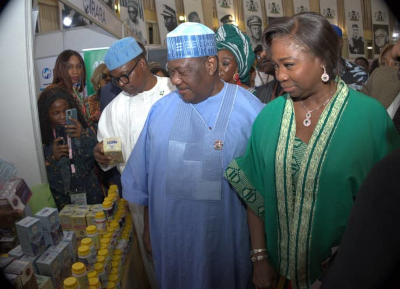
For decades, the Nigerian diaspora was viewed principally as a contributor through remittances. Their contribution was measured in dollars transferred home, investments made, or businesses established. Today, however, Nigeria has fundamentally transformed that narrative. Through the leadership of the Nigerians in Diaspora Commission (NiDCOM) under the stewardship of Hon. (Dr.) Abike Dabiri-Erewa, the diaspora has evolved from being an economic constituency into one of Nigeria's most effective instruments of diplomacy, international cooperation and national development.
This is diplomacy in its most practical form.
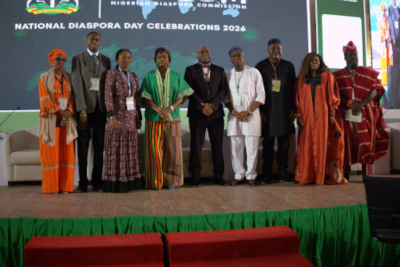
Unlike traditional diplomacy, conducted exclusively by foreign ministries and embassies, diaspora diplomacy extends a nation's influence through its own citizens living abroad. These professionals become informal ambassadors who transfer technology, facilitate investment, build research partnerships and enhance their country's reputation across continents.
Instead of representing a permanent loss of talent, migration becomes an extension of Nigeria's global capacity.
This transformation has required political vision.
President Bola Ahmed Tinubu's direct engagement with Nigerians abroad during National Diaspora Day reinforces an important principle, governments that actively engage their global citizens build stronger international influence. This recognition gives diaspora communities confidence that they remain integral stakeholders in national development regardless of where they reside.
Representatives from the European Union, the International Organization for Migration (IOM), the International Centre for Migration Policy Development (ICMPD), Nigeria's National Assembly, state governments and professional associations all endorsed the Diaspora Health Impact Initiative.
Such support illustrates how diaspora engagement has become a platform for multilateral cooperation.
Migration is increasingly recognised not merely as a demographic phenomenon but as a strategic development asset. Countries capable of maintaining strong relationships with their overseas citizens gain access to global knowledge networks, investment opportunities and diplomatic influence that extend well beyond their borders.
Equally significant is NiDCOM's growing emphasis on youth.
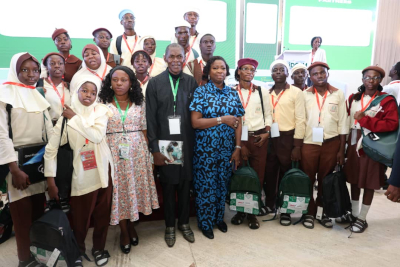
The National Diaspora Day Youth Empowerment Summit reflected an understanding that diplomacy is ultimately about people. By connecting young Nigerians with accomplished diaspora professionals, entrepreneurs and returnees, the Commission is cultivating future leaders while demonstrating that international mobility and national service are complementary rather than contradictory aspirations.
The stories shared by returnees from South Africa served as powerful reminders that diaspora engagement must encompass both opportunity and protection.
NiDCOM's interventions in assisting distressed Nigerians abroad, supporting victims of trafficking, coordinating evacuations from conflict zones including Sudan and Ukraine, and facilitating legal assistance for citizens facing hardship overseas reveal another dimension of modern diplomacy, consular diplomacy centred on human dignity.
In many respects, this may be one of the Commission's greatest achievements.
Effective diplomacy is measured not only by agreements signed between governments but also by the protection afforded to citizens abroad.
The diplomatic significance of NiDCOM's work extends beyond Nigeria.
Across Africa, governments continue to grapple with the challenge of retaining skilled professionals while benefiting from global mobility. Nigeria is increasingly offering a model that other African nations may find instructive, institutionalise diaspora engagement, build trust, create policy certainty, celebrate excellence, facilitate investment and transform migration into a strategic national advantage.
This approach resonates strongly with the broader aspirations of the African Union's Agenda 2063 and the African Continental Free Trade Area (AfCFTA), both of which recognise that Africa's greatest resource is its people.
The continent's global diaspora represents an extraordinary reservoir of knowledge, innovation and influence waiting to be more effectively connected with development priorities at home.
For The Diplomatic Society, which has consistently championed international cooperation, public diplomacy and people-to-people engagement across Africa and the Global South, Nigeria's evolving diaspora strategy offers an important case study in twenty-first century diplomacy. It demonstrates that the future of diplomacy will increasingly be measured not only through embassies and treaties, but through networks of skilled professionals, entrepreneurs, academics, innovators and young leaders who maintain enduring connections with their countries of origin while contributing to global progress.
NiDCOM has helped redefine what it means to belong to a nation.
A Nigerian living in London, Johannesburg, Toronto, Dubai or Houston is no longer viewed as having left Nigeria behind. Instead, they remain part of an extended national ecosystem capable of strengthening healthcare, education, technology, investment and international partnerships.
That is perhaps the Commission's greatest diplomatic achievement.
By transforming diaspora engagement from sentiment into strategy, and from policy into measurable impact, Nigeria has positioned its global citizens as ambassadors of development, architects of innovation and partners in nation-building.
In an increasingly interconnected world, where influence is measured as much by networks as by geography, Nigeria's diaspora has become one of its most valuable diplomatic assets. If the momentum witnessed during National Diaspora Day 2026 is sustained, its global significance is only just beginning.