


Constitutional Reform in Kazakhstan: A New Stage of Institutional Development
By H.E. Yerkin Akhinzhanov, Ambassador of the Republic of Kazakhstan to the Republic of South Africa, the United Republic of Tanzania, the Republic of Mozambique concurrently
24 February 2026
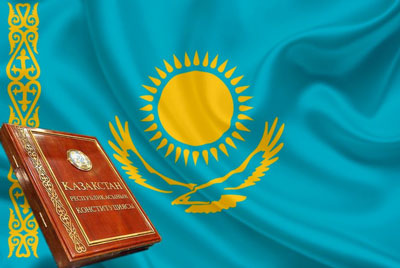
On 31 January 2026, the Constitutional Court of the Republic of Kazakhstan published the draft of a new Constitution, marking a significant milestone in the country’s constitutional reform. The initiative follows the proposal of President Kassym-Jomart Tokayev, announced in his State of the Nation Address on 8 September 2025, to further modernise the political system.
The reform represents a comprehensive rethinking of the constitutional framework. It reflects the evolution of Kazakhstan’s governance model, the strengthening of its institutions, and the country’s strategic vision for future development. The final decision on the adoption of the new Constitution will be made by citizens through a nationwide referendum scheduled for 15 March 2026, to be held in Kazakhstan and at Kazakh embassies and consulate generals around the world.
An Open and Inclusive Process
The reform process has been conducted openly. Proposals were actively submitted by citizens via digital platforms, alongside contributions from political parties, experts, and civil society. A Constitutional Commission was formed, bringing together representatives of all political and social groups, including members of Parliament, legal scholars, business leaders, and public figures.
Given that the proposed changes affected most constitutional provisions, it was decided to prepare a new, consolidated text rather than introduce fragmented amendments. Commission meetings were broadcast live, ensuring transparency and strengthening public trust.
Renewed Institutional Architecture
The draft Constitution introduces important changes to the structure of state power.
A unicameral Parliament, to be known as the Kurultai, will replace the existing bicameral system. The Kurultai will consist of 145 members of parliament elected under a proportional electoral system for a five-year term. The new model expands parliamentary powers and aims to strengthen political parties, their further development and public accountability.
A new nationwide consultative body, the People’s Council of Kazakhstan, will represent public interests and will be granted the right of legislative initiative, broadening citizens’ participation in lawmaking.
The post of Vice President is also introduced to support continuity and effective engagement within the executive branch.
Strengthening the Rule of Law
The draft Constitution significantly reinforces legal safeguards and procedural rights of the people of Kazakhstan.
It also incorporates into and elevates to the level of the nation’s fundamental charter several provisions like status of defence attorney, intellectual property rights, “Miranda rule”, among others.
Core Principles and Strategic Orientation
The new Constitution consists of a Preamble, 11 sections, and 95 articles. It updates constitutional language and reflects Kazakhstan’s evolving political system and international standing.
Its Preamble declares human rights and freedoms as the highest priority of the state and the guiding principle of the constitutional framework. The people of Kazakhstan are recognised as the sole source of state power and bearer of sovereignty. It also affirms the goal of strengthening the statehood on the native ancestral Kazakh land, recongising the continuity of the millennia-long history of the Great Steppe.
The Constitution reaffirms sovereignty, independence, territorial integrity, and the unitary nature of the state as immutable values. It also enshrines unity, interethnic and interfaith harmony, justice, law and order, and responsible stewardship of nature.
Education, science, culture, and innovation are identified as strategic priorities, underscoring a shift toward human capital as the main driver of national development. Constitutional protection of citizens’ rights in the digital environment is introduced for the first time. The secular character of the state and education is clearly reaffirmed. Marriage is defined as a voluntary and equal union between a man and a woman.
A New Constitutional Stage
The draft Constitution represents a deep constitutional modernisation. It builds upon the foundations of statehood established by the existing Basic Law while introducing a renewed institutional and value-based framework aligned with contemporary challenges and long-term national objectives.
The forthcoming referendum on 15 March 2026 will provide citizens, both at home and abroad, with the opportunity to determine the future constitutional trajectory of the Republic of Kazakhstan.