


Tunisia’s Olive Oil Diplomacy
By Anisha Pemjee and Kirtan Bhana
20 February 2025
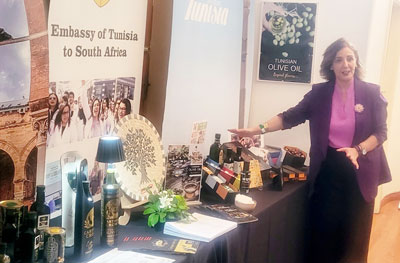
At a private and carefully curated olive oil tasting hosted at the Tunisian Embassy in Pretoria, Ambassador Karima Bardaoui and her team offered guests not only a culinary experience, but an invitation to understand Tunisia, a country in the far north of Africa, washed by the ancient waters of the Mediterranean, whose history and agriculture stretch back millennia.
Tunisia today stands as the world’s fourth-largest producer of olive oil. Yet statistics alone cannot convey the depth of its olive culture.
Olive trees planted more than 2,000 years ago still bear fruit across Tunisian landscapes. Families have inherited plantations and artisanal processes over generations, preserving cultivation methods that blend ancestral knowledge with modern standards. Olive oil is not merely an export commodity; it is, as Ambassador Bardaoui described, something that “runs in the veins” of the nation — Tunisia’s ‘Green Gold.’
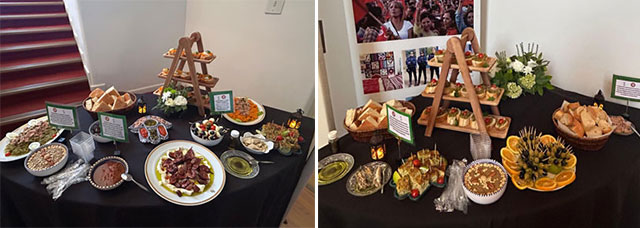
The tasting table reflected the breadth of the value chain. Guests sampled olives, figs, harissa chillies, tuna, tomatoes, salads, dates and bread - each dish elevated by distinct expressions of Tunisian olive oil. Culinarily, olive oil is the soul of Tunisian cuisine. It anchors couscous, elevates salads, softens bread and gives depth and personality to dishes said Ambassador Bardaoui.
Beyond gastronomy, olive oil in Tunisia is woven into health and wellness traditions. Frequently cold-pressed and naturally rich in antioxidants, it is scientifically recognised as one of the healthiest fats in the world.
In Tunisian households, olive oil is regarded as a first medicine and a trusted beauty secret. It is believed to protect the heart, nourish the body and, according to generations of Tunisian grandmothers, help keep one young.
This integrated ecosystem - agriculture, food processing, exports, tourism, wellness and hospitality - reveals olive oil as a cornerstone of Tunisia’s broader economic architecture.
The event in Pretoria also referenced a recent milestone in Tunisia’s diplomatic strategy. On 22 December 2025, Tunisia marked its first “Diplomacy Day for Tunisian Olive Oil” at the International Diplomatic Academy of Tunis, under the supervision of Tunisia’s President Kaïs Saïed. The initiative, led by the Ministries of Foreign Affairs, Trade and Agriculture, positioned olive oil as a vehicle of economic diplomacy, a product capable of opening markets, fostering partnerships and strengthening international visibility.
This national observance complements global recognition such as World Olive Tree Day on 26 November, proclaimed by UNESCO following a joint proposal by Tunisia and Lebanon. The olive tree, in this context, symbolises peace, resilience and shared humanity.
Ambassador Bardaoui’s tenure unfolded at a pivotal moment for Africa’s economic integration through the African Continental Free Trade Area (AfCFTA). As the continent advances toward deeper tariff reduction, harmonised standards and expanded intra-African value chains, Tunisia’s olive sector offers a compelling case study in how agricultural excellence can translate into continental opportunity.
Inter-African trade remains below its potential. Events such as the Pretoria tasting highlight the untapped possibilities between North and Southern Africa — not only in olive oil, but in processed foods, agro-technology, tourism partnerships, logistics and investment flows.
Tunisia’s tourism and hospitality sector, deeply intertwined with its agricultural identity, presents further scope for collaboration. Culinary tourism, heritage travel and Mediterranean–African circuits can strengthen people-to-people exchange, while investment in cold-chain logistics, packaging and branding can enhance African competitiveness globally.
The limited presence of Tunisian olive oil in the South African market underlines both a challenge and an opportunity. As South African consumers grow more discerning about quality, provenance and health benefits, Tunisian producers can position themselves as premium yet authentic suppliers within an expanding African trade framework.
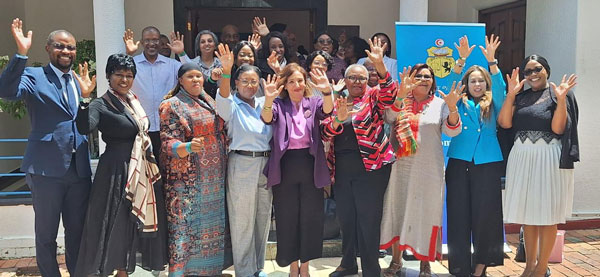
As guests moved between the curated dishes, they shared impressions and sought deeper insight, shaping the event into one of connection, where olive oil became a link between heritage, culture and future opportunity.