


The Cidade Maravilhosa Experience
by Jayde Bhana
13 February 2026
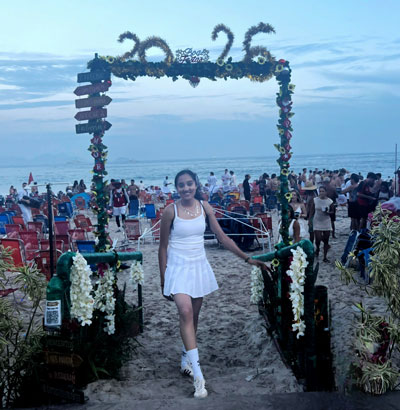
Celebrating New Year on the white-sand beaches of Rio de Janeiro is a bucket list item for many around the world. Tourists (local and international) make the pilgrimage to the famous Brazilian city to experience the massive party complete with live music on multiple stages and topped off with a colourful fireworks display. Backdropped by the iconic Christ the Redeemer on Corcovado mountain and engulfing the west of Guanabara Bay, Cidade Maravilhosa is worth visiting, and for South Africans, is easy to get to.
Getting there
A rebirth of South African Airways has led to the reintroduction of direct flights between South Africa and the bustling city of São Paulo, Brazil. There are options to fly either from Johannesburg or Cape Town. LATAM also operates on this route. Of course there are options to layover via TAAG and Luanda’s newly built international airport or through the Middle East or Europe. Travellers enjoy mutual visa-free visits between South Africa and Brazil.
The fun starts when planning the trip from São Paulo to Rio. The distance between the two major cities is just over 400km as the crow flies. A flight will take an hour while hitting the road takes six hours on average. There are many buses running the São Paulo-Rio route each day and there are a variety of options in terms of luxury. The bus is a fun option as if you choose to travel during the day you will be entertained by beautiful views of nature and interesting cityscapes. You will also get to experience classic roadstops. During the high season, a bus may take an hour or two longer than average due to holiday traffic.
New Year's
The Copacabana New Years celebration is a renowned event and draws millions to the city every year, with the traditional all-white dress code in full effect. When planning this trip, it is essential to book early as accommodation gets sparse fast. The organisation of one of the most massive parties in the world is exceptional. Pedestrian traffic through to the beach is monitored, beaches are well lit and signposted, emergency services are visible, and lifeguards at the shore are on high alert. In my personal experience, I felt safe and I was able to fully immerse myself in the vibrant atmosphere.
All along the beach are stages with various live performances throughout the night. Ships line the coast as they too await the tremendous fireworks display. Finding a place to sit on the beach gets more difficult the closer to midnight it gets. In anticipation, the standing crowd edges closer and closer to the water. The superstition for goodluck in the new year is that one must jump seven waves, a tradition rooted in Afro-Brazillian beliefs and related to the Goddess of the ocean, Yemanjá.
The feeling of camaraderie when counting down to midnight is indescribable. Hundreds of strangers in your vicinity feeling the elation of a new beginning and being completely in awe of the fireworks display. I witnessed countless flip-flops lost to the hungry ocean. I also experienced strangers becoming friends, overcoming language barriers, relating and connecting with the beat of the Brazilian drum as the soundtrack. When the morning comes, the temporary infrastructure from the night before is cleared and open beaches are perfect for relaxation after a festive night. This unique experience is something I highly recommend. It is an experience that sings to the tune of your spirit and enriches your soul.
Touring Rio
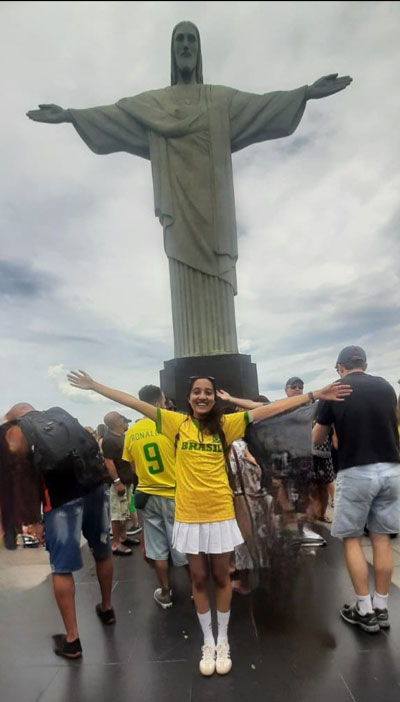
It feels as if you can never run out of things to do and experience in Rio de Janeiro. One of the most iconic landmarks in Brazil is the Christ the Redeemer statue. Situated on top of Corcovado mountain, there are multiple ways to complete the ascent. It is a beautiful climb to the top through part of the Tijuca National Park. The imposing statue feels bigger in person and the view from the top is breathtaking. Seeing Rio from that vantage point gives one an appreciation for its size and diversity of neighbourhoods.
For those interested in Rio’s rich (at times painful) history, I would highly recommend the Free Walking Tours that are on offer. These tours explore Rio’s culture, its Portuguese colonial history, and put Rio in a modern context. The architectural insights are invaluable and help a lot with pinpointing sights that are worth spending more time at. There are also food and pub (with music) tours on offer that cater a real Brazilian experience for guests. The pub crawl includes some live samba performances and circles which is an experience not to be missed in the city of Carnival.
For football lovers the deep link between the city and the sport is epitomised at Maracanã stadium. A stadium that has hosted two incredible World Cup finals and regularly hosts matches between the biggest teams in Rio, notably the famous Flamengo Fluminense (Fla-Flu) derby. Maracanã stadium offers guided tours through the stadium with historical displays and many photo opportunities. If you time your trip correctly, you may even be able to experience a live match or concert at the iconic stadium.
Stretching along the south coast of the city are the Copacabana and Ipanema beaches. They are separated by Arpoador rock, a serene viewing point for sunsets. The beaches each stretch uninterrupted for 4km and 2km respectively. Typical beach recreation activities are available such as surfing, paddle boarding, and swimming. On the beach, inevitably you will come across groups of people playing futevôlei, a popular Brazilian pastime. Along the coast and in the bay there are also boat tours that offer a different perspective of the city.
The state of Rio de Janeiro has much more to offer. There is a beautiful coastline buffered by the stunning Atlantic Forest. Beach bums and adventure seekers will not be lost for options. There are also islands (the largest and most popular being Ilha Grande) that offer stunning nature, with options for camping or self-catering accommodations and hotels.
Getting around
There are many different modes of transport for getting around Rio. eHailing services are prevalent and efficient along with traditional taxis, though they risk getting stuck in major traffic especially during peak periods. There are buses throughout the city. The metro runs only through major areas but works well. It is even possible to rent a bicycle for short distances. The main city of Rio is mostly flat, so walking around is not too strenuous (unless the summer sun is in full operation).
To consider
There are a few things to keep in mind when travelling to this most beautiful city. One note is that December and January are the rainiest months of the year in Rio. Late afternoon and evening downpours should be planned around, and there is a fair amount of sunshine to compensate for this. I recommend bringing along sunscreen and raincoats.
In doing research for my own trip, many people cautioned of a language barrier. It is true, most locals speak Portuguese only and maybe some Spanish, while English can be difficult to come by. It is not impossible to get around without Portuguese, but knowing at least some basics will go a long way.
The atmosphere during the high season is festive, laid back, and happy; embrace it. Allow yourself to sync up with the rhythm of this marvellous city. If you take care of it, it will take care of you.
Lastly, while you’re there, take notes of the activities you still need to do and the sights you learned about that you still need to visit. You’ll need this list for when you return.