


Bharat Rising, An Ancient Civilization Shaping a Modern Power
by Kirtan Bhana - TDS
18 August 2025
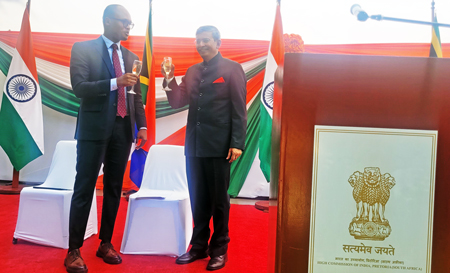
Since the end of colonial occupation, India—Bharat—has walked the path of self-sufficiency with a vision rooted in its ancient wisdom and skills, passed carefully from generation to generation. This journey, shaped by the resilience of its people, has been guided by the principles of the Swadeshi Movement, launched on 7 August 1905, which called for the strengthening of indigenous industries. It is a call that continues to echo powerfully in the national consciousness as India celebrated its Independence on 15 August.
The defeat of imperial Britain reignited India’s deep self-belief—a reminder that this was once the centre of global trade, economics, art, culture, science, and astronomy, a civilization whose understanding of the cosmos was woven into the very fabric of daily life. From the Vedic texts to architectural marvels, from advancements in mathematics to a profound grasp of the human spirit, Bharat has for millennia been a wellspring of knowledge that shapes its modern identity.
Today, with over 1.5 billion people, the world's largest democracy stands as an economic giant, jostling for a place among the top three economies. Its innovative spirit, entrepreneurial energy, and skilled workforce are driving this transformation. In a striking turn of history, Bharat is now signing free trade agreements with its former colonizer, the United Kingdom, redefining economic relations on terms it sets for itself.
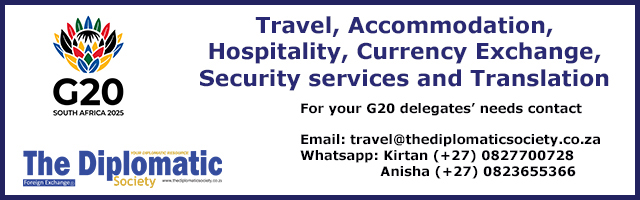
India’s manufacturing sector, particularly the motor industry, has become a symbol of this self-reliant growth. It is rapidly becoming a global hub for electric vehicle (EV) production, with homegrown companies and joint ventures leading innovation in affordable, sustainable mobility. Supported by government incentives, battery technology breakthroughs, and a fast-expanding charging infrastructure, India’s EV industry is not only reshaping domestic transportation but also exporting clean mobility solutions to the world. This green industrial revolution mirrors Bharat’s commitment to blending technology, environmental stewardship, and economic growth.
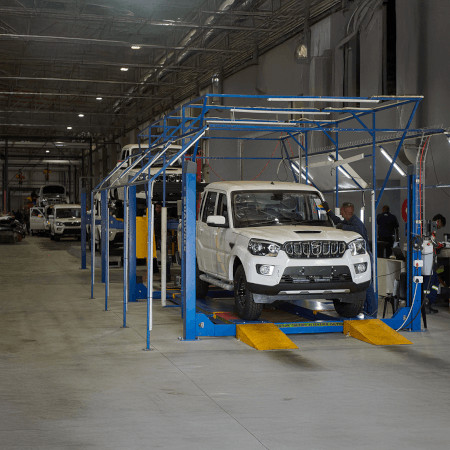
India’s foreign policy is increasingly shaped by multipolar realities. It maintains close ties with Russia despite external pressures and attempts to influence its strategic decisions. The nation navigates these pressures with a firm hand, safeguarding its economic and geopolitical independence.
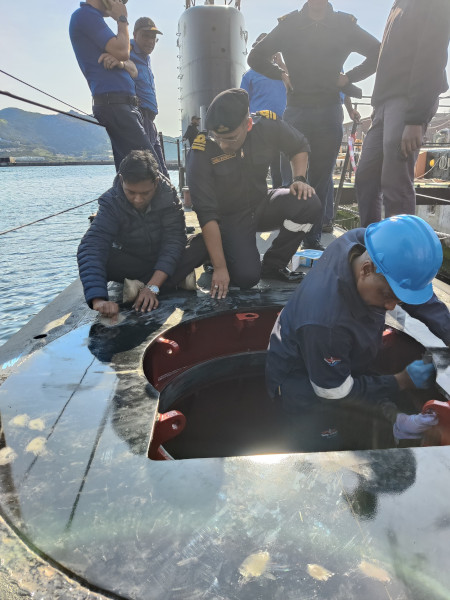
In recent weeks, External Affairs Minister Dr. S. Jaishankar visited China to mark 75 years of bilateral relations—an engagement layered with both cooperation and competition. Prime Minister Narendra Modi’s participation in the Shanghai Cooperation Organisation (SCO) has signaled a new front in India’s regional diplomacy, even as it manages complex and sometimes contentious relations with its immediate neighbours.
Bharat is not merely a country moving forward—it is an ancient civilization reclaiming its place in the global order. It is a nation whose vision reaches beyond its borders, a land where the past enriches the present, and where the future is being built with the confidence of a people who understand their history, their culture, and their destiny.
Bharat’s journey is like its own ancient night skies—where constellations told stories, planetary alignments marked the flow of time, and the boundless universe mirrored the boundless potential of its people. Today, that same cosmic vision guides India’s rise. A vision that has also propelled the Indian Space Research Organisation (ISRO) to global prominence—from landing near the Moon’s south pole to launching interplanetary missions and building a future where India’s destiny is written not only on Earth but among the stars.