


Ngomane nation celebrates its heritage
by HRH Stella Sigcau
24 March 2025
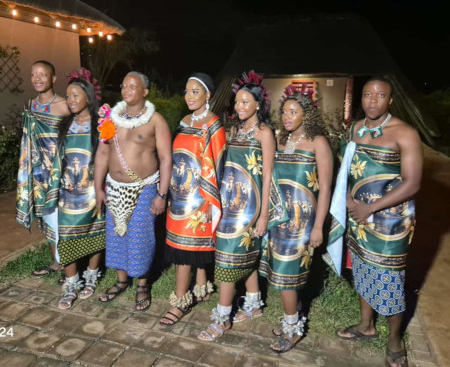
The Ngomane nation in Mpumalanga celebrated their annual Ummemo cultural celebration on 15 March 2025 at Ngomane Palace in Nkomazi, Mpumalanga. In attendance were people from various walks of life and dignitaries including government representatives and Traditional Leaders.
The colourful event was also graced by representatives of the Institution of Traditional Leaders including Kgosi Mokoena the current President of CONTRALESA, Nkosi Jongilanga Sigcau, Chairperson of the Alfred Nzo Local House of Traditional Leaders of South Africa, Nkosi Nkomo Mahumani of amaTsonga kaNkomo. There were also representatives from the ESwatini Kingdom.
According to history the Ngomane people, also known as the BakaNgomane, are a Bantu-speaking ethnic group primarily residing predominantly in South Africa, Eswatini, and Mozambique, Malawi and Zambia.
The name "Ngomane" in the Ngomane language, as reported, means “ruler of the land" and is associated with symbols like the Marula tree. Historians have identified the "Great Ngomane" commonly known as the Great General and Prime Minister of King Shaka Zulu" who established the Zulu Nation as one of the great and iconic historical figures.
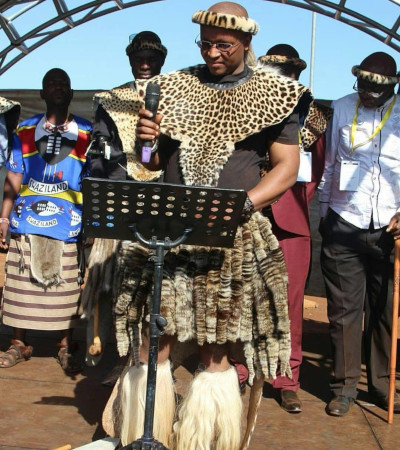
The Ngomane nation is said to trace its origins to the late 18th century, towards the rise of the Zulu Kingdom under King Shaka Zulu. Ngomane is said to have played a role in King Shaka of the Zulu Kingdom’s upbringing. According to oral traditions as reported, Ngomane was entrusted by the "Mthethwas" with the care of Shaka during his early years, a responsibility that highlights the trust and respect the Zulu royal family had for the Ngomane lineage.
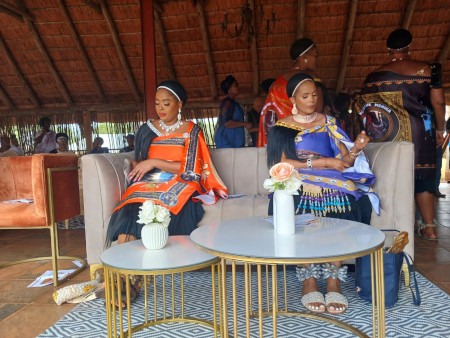
In the pre & post-apartheid era, the Ngomane Royal family continued to play a significant role in building the nation through, amongst others, preserving their cultural heritage.
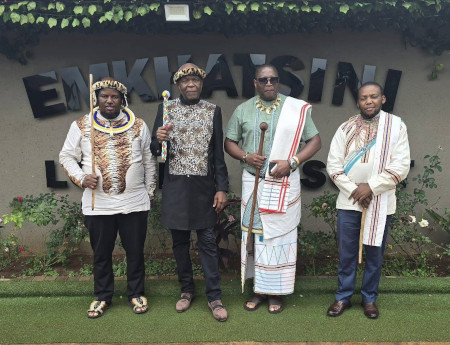
The Ngomane nation’s legacy is also preserved through the work of historians, anthropologists, and community leaders who have documented their contributions to the history of the Zulu and Gaza Kingdoms. Their story, according to Nkosi Hhoyi II Ngomane is an integral part of the broader narrative of Southern Africa's past and present. However, the expansion of European colonial powers led to significant disruptions for the indigenous communities.
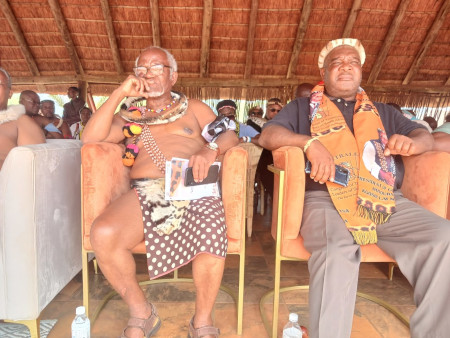
Today, the Ngomane nation is a vibrant and diverse community whose members spread across South Africa and beyond. They continue to honor their heritage through cultural practices, oral histories, sharing their culture with other nations and community initiatives. According to the nation’s head, Nkosi Hhoyi II Ngomane, the nation’s history serves as a reminder of the enduring impact of colonialism and apartheid, as well as the resilience of African communities in the face of adversity.
Historically, prior to the arrival of the colonial powers, the Ngomane people had settled along the Crocodile River and were the original residents of the areas later known as Lodwichs Lust. However, they faced displacement due to colonialism. As reported in 1875, their land was taken over for colonial purposes, leading to their relocation. It is also reported that further displacements occurred in the early 1900s with the establishment of the Kruger National Park, forcing the Ngomane people to move from their ancestral territories.
Prior to the park's formation, the Ngomane people, as narrated, along with the Sambo people, resided near the Sabie River in the area now known as Skukuza. In 1905, as reported, the Transvaal Government relocated them to Tenbosch, south of the park. History tells, this displacement was further compounded when they were moved again from Tenbosch to the Lebombo flats. These successive relocations disrupted their traditional way of life, severing deep-rooted connections to their ancestral lands and leading to significant cultural and social upheaval.
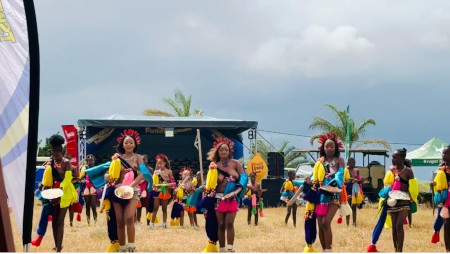
The Ummemo Cultural Festival has garnered attention for its role in cultural preservation and community building.
The Ngomane Royal Family and the Hhoyi Traditional Council under Nkosi Hhoyi II Ngomane have showcased their traditions in Nkomazi, near the Eswatini & Mozambique borders, highlighting the festival's significance in uniting the Ngomane people and promoting their rich cultural legacy.
The Ngomane's rich cultural heritage is, among others but not limited to, traditional ceremonies. which are playing a pivotal role in the life of their community. Ummemo is one of those ceremonies celebrated annually by the BakaNgomane of Hhoyi, Mjokwane and Lugedlane. The Ummemo also serves multiple purposes, namely: it is a "harvest thanksgiving" event where the community expresses gratitude for the agricultural yield, and it also functions as a cultural celebration that reinforces identity, unity, and pride amongst community members. This festival allows the younger generation to learn about their traditions and customs from elders, ensuring the preservation and transmission of cultural activities.
Ngomane people are also found in Malawi under the leadership of King Willard Mswati Gomani V of Nguni Maseko. They also celebrate Ngomane culture through hosting an annual Umhlangano in the first week of September. Gomani V is a descendant of the Ngomane dynasty that traveled with Zwangendaba after Mfecane. They settled in Malawi. They, as reported, conquered the local tribes to create the Nguni Maseko Kingdom, which exists to this day.
The Ummemo Cultural Festival thus plays a crucial role in addressing socio economic challenges caused by colonialism through, amongst others, uniting the Ngomane people and other affected communities, celebrating their heritage, and advocating for their rights. This stands as a testament to the resilience of these communities and their determination to preserve their culture and history despite the injustices they have faced.