


The Olive Tree is a Timeless Symbol of Peace
By Anisha Pemjee - TDS

5 December 2024
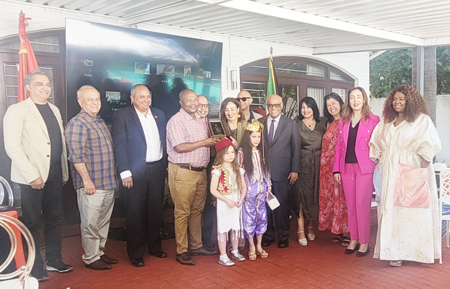
“Tunisia is one of the largest producers of olive oil in the world,” said Ambassador Karima Bardaoui of Tunisia to South Africa at an event titled ‘Discovering Tunisian Olive Oil’ in celebration of World Olive Tree Day. At the 40th session of the General conference in 2019, UNESCO proclaimed 26 November as World Olive Tree Day after a proposal by Tunisia and Lebanon. The main objective of this Day is to encourage its protection and appreciate the values it embodies.
The celebration of this special tree took place at the residence of the Tunisian Ambassador in Pretoria. “We decided to take this opportunity to appreciate the rooted values of the Olive Tree that is symbolized in worldwide cultures and civilizations. This universal tree, having served humanity for thousands of years has social, cultural, economic and environmental significance. Olive trees, and in particular olive oil are Tunisia’s known treasures considered as our ‘Green Gold’. The olive tree has over the millennia become infused with the nation’s culture, economy, cuisine, habits, rhythms and seasons,” said Bardaoui.
Dressed in hues of green in support of the Day, Ambassador Bardaoui shared information, statistics and history of the Olive tree in Tunisia. It is one of the world’s biggest producers of olive oil with around 1,8 million hectares of olive groves with some 82 million trees or about 30% of the country’s land, is the extent of the olive cultivation.
Tunisian olive oil has gained worldwide acclaim winning many international awards and accolades. It meets or exceeds the quality standards issued by the International Olive Council for all categories, including extra virgin olive oil.
“During the Carthaginian Empire olive oil was processed and exported all over the Mediterranean,” said Bardaoui. “In the peninsula of Cap Bon, the oldest known olive tree in Tunisia can be found. It dates back to around 2,500 years ago while the average life span is 500 years. The big ancient tree was planted during the Carthaginian reign and olive lovers to this day make pilgrimages to eat its fruit.”
Ancient Phoenicians, who originated from an area which includes modern day Lebanon, were the first to cultivate Olive trees in the Mediterranean Basin. Interestingly, the, Phoenicians were also the first to develop an alphabet.
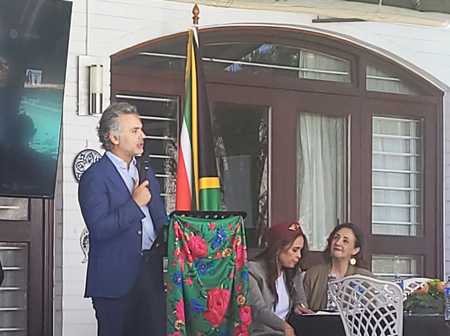
As a special guest Mr Kabalan Frangieh, Ambassador of Lebanon to South Africa joined Ambassador Bardaoui in calling for a lasting peace in Gaza and Lebanon. He expressed serious concern of the current aggression carried out against the Lebanese people, reflecting on the dire conflict being experienced in the Middle East. He reported that the conflict has uprooted and displaced many people from their ancestral land, disrupting the Olive Grove plantations and the production of olive oil.
Frangieh acknowledged Tunisia’s top position in terms of cultivation and production compared to Lebanon’s 25,000 ton per year output, 80% of which is exported. The high quality extra virgin olive oil is a niche product for which a Lebanese producer won the first prize at a competition held in New York last year. “It is part of our heritage, part of our identity, where we come from, a part of our collective consciousness as a people, and the historical passing on to coming generations,” said Ambassador Frangieh. He explained that the Olive Trees are given names in Lebanon, indicating the reverence with which these trees are held. The trees, known as the Sisters, are the oldest Olive trees in Lebanon planted 6000 years ago by the Phoenicians who started pressing, producing and spreading olive oil.
Trade and commerce are the mainstay of the Lebanese economy, explained Ambassador Frangieh. Phoenicians traded as far afield as Brazil with there being evidence of their presence in Cape Town as well. The Ambassador noted that they were neither invaders nor occupiers.
South Africa has 3,700 hectares of olive groves, producing 2 million litres of olive oil, 90% of which is extra virgin, said Wendy Petersen, CEO of South Africa Olives Association. She further noted that a further 6 million litres are imported into South Africa, highlighting the enormous potential opportunity in this sector.
Nokuthula Ndlovu, ICT Chair of the Black Business Council spoke of the transformation South Africa has undergone over the past 30 years, and the steep learning curve it is emerging from. She related a story of her grandmother who diligently uses olive oil for its health and the healing benefits. As ICT Chair she is well in tune with the youth engagement in this rapidly evolving information and communication era which has played a significant role in the transitioning of South Africa and the strength it derives from its diversity.
The potential of the newly implemented AfCFTA to make this ‘Green Gold’ more accessible to the majority of people in South Africa, where at the moment it is seen to be a high-end, exclusive product, is encouraging. Currently, Tunisia’s olive oil accounts for a small portion of South Africa’s imports.
Bardaoui said that Tunisia and South Africa have significant potential for collaboration in the olive oil sector, leveraging their complementary strengths to boost production, quality, and global market reach.
“Tunisia, one of the world’s leading producers of olive oil, brings centuries of expertise in cultivating olive trees and producing high-quality oils. South Africa, with its emerging olive oil industry and advanced agricultural technologies, offers opportunities for knowledge exchange and market expansion. Cooperation between the two countries can foster innovation, enhance sustainability, and create value-added products that meet the growing global demand for premium olive oil. By sharing expertise, developing joint ventures, and exploring export markets together, Tunisia and South Africa can strengthen their agricultural ties and promote olive oil as a key symbol of their partnership.”
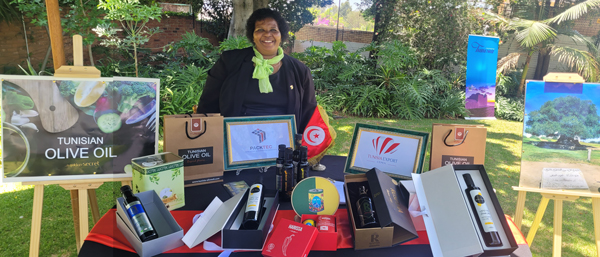
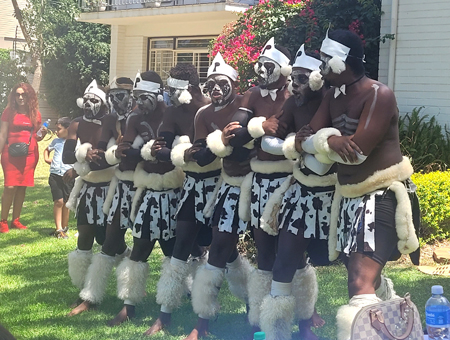
There were a variety of olive oils on display at the event. Guests had the opportunity to indulge in cuisine infused with olive oil. The enjoyable afternoon included a fashion parade showcasing Tunisian dress as well as an upbeat Zulu dance. Lucky draw winners walked away with treasured olive oil as prizes.
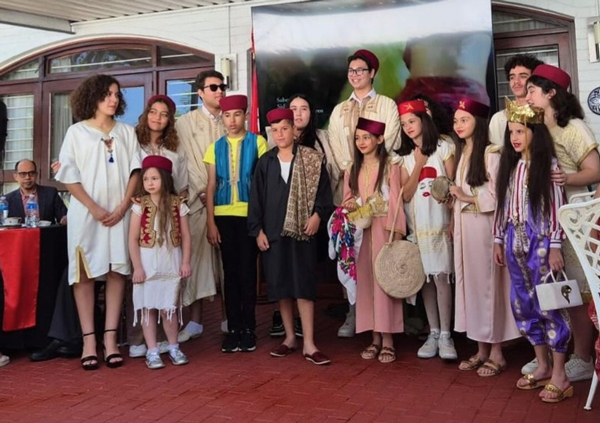
The olive branch has been a steadfast symbol of the importance of people-to-people, face-to-face interactions. Since ancient times the olive branch has been a symbol of peace, wisdom and harmony.
Peace brings prosperity is the current trend in world economics. It is, after all, stable societies that build prosperous nations.